
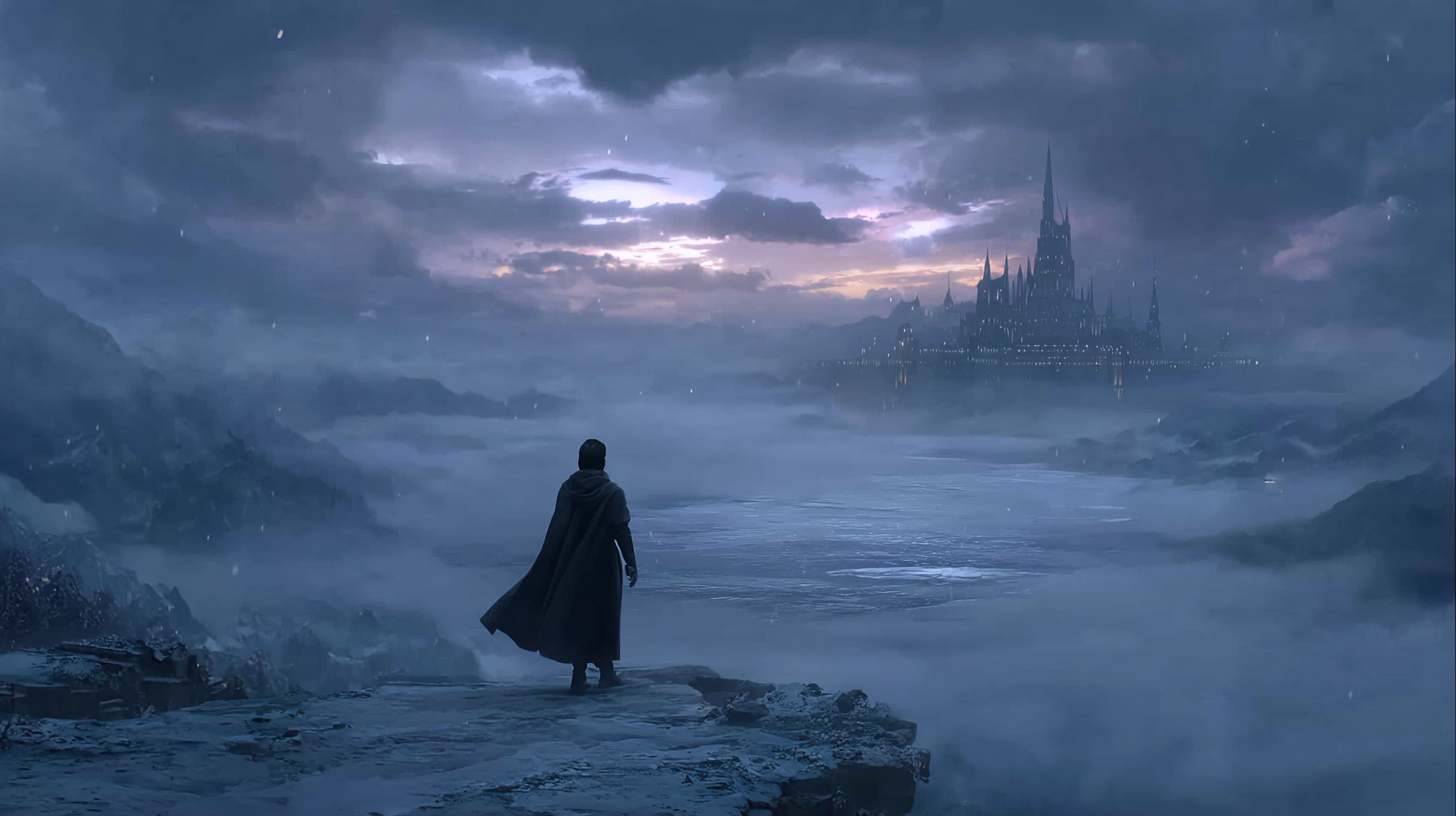
While Netflix, Amazon, and HBO continue battling for the next big fantasy franchise, Apple TV+ is making a major move. According to an exclusive report from The Hollywood Reporter, Apple has secured the rights to adapt Brandon Sanderson’s Cosmere universe, with a clear plan to focus on two of his biggest properties: Mistborn as a film franchise, and The Stormlight Archive as a large-scale television series.
What Is the Cosmere — and Why Should Anyone Care?
Even if you’ve never read a single page of Sanderson, you’ve likely heard his name. He’s one of the most successful fantasy authors in the world, with millions of copies sold and a fanbase that rivals the passion surrounding The Lord of the Rings and Game of Thrones.
But the Cosmere isn’t just another book series. It’s a shared fictional universe, much like Marvel, where multiple sagas take place on different worlds yet connect through a broader mythology. In other words: if Apple plays this right, this could become the fantasy genre’s closest thing to a cinematic universe on the scale of the MCU.
The Strategy: Mistborn for Movies, The Stormlight Archive for TV
The report suggests Apple has a deliberate format in mind:
Mistborn is aimed as a feature film franchise
The Stormlight Archive is envisioned as an epic TV series
And honestly, it makes sense. Mistborn has the structure of a fantasy heist thriller set in a harsh, dystopian world, perfect for tight, cinematic storytelling. Meanwhile, The Stormlight Archive is a massive epic filled with politics, mythology, wars, and a sprawling cast, something that practically demands long-form television.
“The Author Protects the Story”… or “The Author Walks In and the Real Problems Begin”
The most fascinating detail here isn’t just the rights deal. It’s the level of creative control involved.
According to the reporting, Sanderson is expected to have significant influence over the adaptation, including writing/producing input and major creative oversight. At first glance, that sounds like the ultimate solution in an era where Hollywood repeatedly proves it can take beloved source material and turn it into something that feels… unfamiliar.
But in reality, author involvement is a double-edged sword.
On one hand, fans take comfort in it. It signals that the adaptation will respect the canon, protect the worldbuilding, and keep character arcs intact rather than reshaping everything to suit trends or algorithms.
On the other hand, history shows that when authors become deeply embedded in the production process, it doesn’t always make things easier for anyone.
Take J.K. Rowling, for example. Her long-term influence over the Harry Potter brand and its expansions has often been framed as “protecting the universe,” yet some audiences have felt that the mythology was stretched or pushed into directions that didn’t work as well on screen, even if those directions were perfectly aligned with the author’s intentions.
Then there’s Percy Jackson and the Olympians. After the backlash toward the earlier film versions, author involvement was widely seen as a corrective measure, a promise that the story would finally be respected. And yet, even with creative input from the original author, an adaptation can still divide audiences. Why? Because what works in a book doesn’t always translate cleanly to television pacing, structure, and emotional rhythm. Sometimes “faithful” doesn’t automatically mean “compelling TV.”
And even within the Game of Thrones universe, the tension between what readers imagine and what a massive production must deliver never truly goes away. Sometimes that tension produces legendary television, and sometimes it leaves fans feeling they were handed a “product” rather than the experience they expected.
So Apple’s challenge isn’t only about casting or budgets. It’s about balance: keeping Sanderson close enough to preserve the soul of the Cosmere, while giving experienced TV and film creators enough room to build something that actually works on screen.
Why Apple Is Making This Move Now
Apple TV+ has built a reputation for premium production quality, but it still lacks a definitive “fantasy monster franchise” on the scale of:
The Lord of the Rings: The Rings of Power (Amazon)
House of the Dragon (HBO)
The Witcher (Netflix)
The Cosmere could become exactly what Apple needs: a massive brand with built-in fandom, a deep library of stories, and the ability to expand for years across film and television.
What Happens Next?
For now, this is still in development, with no casting announcements and no confirmed production timeline. But if Apple is truly investing serious resources here, and if it genuinely allows Sanderson to guide the adaptation, we may be watching the beginning of one of the biggest fantasy screen plays since Game of Thrones.
And the question hanging over the entire project from day one will be simple:
Is Sanderson’s involvement the insurance policy that makes this succeed, or the very thing that complicates it?
Discussion